
How to Evict a Tenant in South Africa: A Step-by-Step Legal Guide
Step-by-step guide to evict a tenant legally in South Africa. Learn your rights as a landlord under the PIE Act. Free case review from Japheth Chetty Attorneys, Durban.
EVICTIONS IN SOUTH AFRICA
Japheth Chetty | Durban Property Law Specialist
5/22/20265 min read
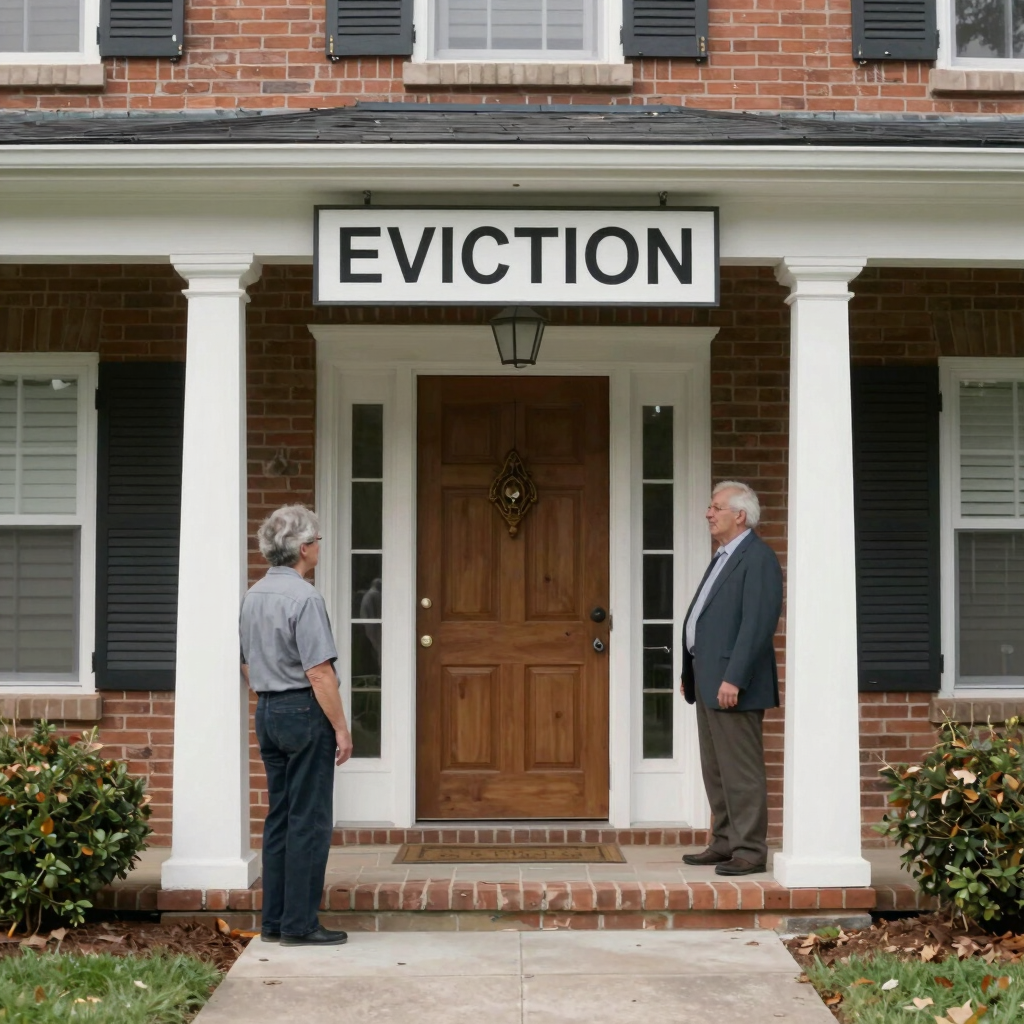
If you are a landlord in South Africa struggling with a tenant who is not paying rent, refusing to vacate, or causing damage to your property, you are not alone. Eviction is one of the most common legal disputes we handle at JC Attorneys in Durban — and it is also one of the most misunderstood processes in South African law.
Many landlords make costly mistakes by trying to handle evictions themselves or, worse, taking the law into their own hands. This guide will walk you through the legal eviction process in South Africa, what your rights are as a landlord, and how to protect yourself from beginning to end.
Important: If you need help with an eviction in Durban, KwaZulu-Natal, contact us today for a free case review. Call 081 528 6661 or email japheth@jchettylaw.co.za
What the Law Says About Evictions in South Africa
Evictions in South Africa are governed primarily by the Prevention of Illegal Eviction from and Unlawful Occupation of Land Act (PIE Act) No. 19 of 1998. This law was introduced after 1994 to protect occupants — especially vulnerable groups — from being unlawfully removed from their homes.
What this means practically is that you cannot evict a tenant on your own. You cannot:
Change the locks while a tenant is still occupying the property
Remove the tenant's belongings without a court order
Cut off water or electricity to force them to leave
Threaten or intimidate a tenant into vacating
Doing any of the above is illegal and can result in criminal charges against you as the landlord, regardless of how badly the tenant is behaving. The only lawful way to evict someone in South Africa is through a court order.
Common Reasons for Eviction in South Africa
Before beginning the eviction process, it is important to understand that your reason for eviction must be legally valid. The most common grounds include:
Non-payment of rent — the most frequent reason
Breach of the lease agreement — such as subletting without permission, keeping prohibited pets, or causing damage
Expiry of the lease — the tenant refuses to vacate after the lease has ended
Month-to-month tenancy cancellation — you have given proper notice but the tenant refuses to leave
Illegal activities being conducted on the premises
Step-by-Step: The Legal Eviction Process in South Africa
Step 1: Issue a Written Notice to the Tenant
The first step is to give the tenant a formal written notice. The type of notice depends on your reason for eviction:
Non-payment of rent: You must give the tenant 20 business days' notice in terms of the Rental Housing Act to remedy the breach (i.e. pay the outstanding rent). If they fail to do so, you can proceed.
Other breach of lease: A reasonable notice period must be given to remedy the breach.
End of lease / cancellation: Proper notice as stipulated in the lease agreement must be given — typically one calendar month for month-to-month leases.
The notice must be in writing and clearly state:
The reason for the eviction
The amount owed (if applicable)
The date by which the tenant must vacate or remedy the breach
That legal action will follow if they do not comply
Keep a copy of this notice and proof of delivery — this will be needed in court.
Step 2: Apply to Court for an Eviction Order
If the tenant ignores the notice or refuses to vacate, you must apply to the Magistrate's Court in the area where the property is located for an eviction order under the PIE Act.
Your attorney will prepare an application that includes:
A founding affidavit setting out the background facts
A copy of the lease agreement
Proof that notice was given
Details of the tenant and any other occupants
The court will then set a hearing date and require that the tenant be formally notified of the proceedings.
Step 3: Serve Notice on the Tenant and the Municipality
This is a step many landlords miss — and it can cause your application to fail.
Under the PIE Act, you are required to serve notice on:
The tenant — at least 14 days before the hearing
The local municipality (in Durban, this is eThekwini Municipality) — they must be given the opportunity to address the court on whether the eviction would render the occupant homeless.
Failure to properly notify the municipality is one of the most common reasons eviction applications are dismissed or delayed in KwaZulu-Natal courts.
Step 4: Attend the Court Hearing
On the hearing date, the court will consider:
Whether proper notice was given
The circumstances of the tenant — particularly if they are elderly, disabled, have minor children, or have no alternative accommodation
How long the tenant has been in occupation
The landlord's rights and financial circumstances
The court has discretion to postpone the eviction if it believes the tenant needs more time to find alternative accommodation, especially during winter months. However, if your case is properly prepared and the legal requirements have been met, the court will generally grant the eviction order.
Step 5: Execution of the Eviction Order
Once the court grants the eviction order, it will specify a date by which the tenant must vacate. If the tenant still refuses to leave by that date, the Sheriff of the Court will be instructed to physically remove the tenant and their belongings from the property.
You cannot do this yourself — it must be carried out by the Sheriff. The costs of the Sheriff's attendance are usually recoverable from the tenant.
How Long Does an Eviction Take in South Africa?
This is the question every landlord asks. The honest answer is: it depends.
In straightforward cases where the tenant does not oppose the eviction and all notices are properly served, the process can take 6 to 10 weeks from the first notice to the eviction order.
In contested cases — where the tenant files an opposing affidavit, raises constitutional arguments, or the matter is referred to oral evidence — it can take several months.
This is why it is so important to start the process correctly from day one. Mistakes at the notice stage can add months to the process.
What About Tenants Who Have No Lease Agreement?
A very common question we receive is: "My tenant has no written lease — can I still evict them?"
Yes, you can. The PIE Act applies regardless of whether a formal written lease exists. However, the eviction process may be slightly different depending on whether the person is considered an unlawful occupier from the outset or a tenant whose agreement has been terminated.
If someone is occupying your property without permission or any agreement at all, you can apply for their removal as an unlawful occupier — but you still need to follow the correct legal process and obtain a court order.
How Much Does an Eviction Cost in South Africa?
The cost of a legal eviction in South Africa depends on:
Whether the tenant opposes the eviction
The complexity of the matter
Attorney fees
Sheriff's costs
At JC Attorneys, we offer transparent, affordable pricing for eviction matters. We will give you a clear cost estimate upfront so you are never surprised by your legal bill.
Key Mistakes Landlords Make During Evictions
Through years of dealing with evictions in Durban, these are some of the avoidable mistakes landlords make:
Changing the locks — this is illegal and exposes you to a damages claim
Not keeping records — always document every interaction with the tenant in writing
Skipping the notice stage — going straight to court without proper notice will get your application thrown out
Not serving the municipality — a fatal flaw in many DIY applications
Accepting partial rent — doing so during the eviction process can reset the notice period and complicate your case
Need Help With an Eviction in Durban?
The eviction process is technical, time-sensitive, and governed by strict legal requirements. Getting it wrong can cost you months of additional time and thousands of rands in lost rent.
At JC Attorneys, we handle evictions across Durban and KwaZulu-Natal. We guide you through every step — from issuing the correct notice to representing you in the Magistrate's Court or High Court — at affordable, transparent rates.
📞 Call us: 081 528 6661 📧 Email: japheth@jchettylaw.co.za 📍 22 Watt Road, Hillary, Durban
Get your free case review today — don't wait until the situation gets worse.
This blog post is intended for general information purposes only and does not constitute legal advice. Every eviction matter is different. Contact JC Attorneys for advice specific to your situation.
JC
Address
Spaces Building, 2 Ncondo Place, Umhlanga
Contacts
081 528 6661
japheth@jchettylaw.co.za
Attorneys
TURNING A CORNER
Boutique Expertise. Big-Firm Results. Civil & Commercial Litigation and Property Law specialists serving Durban's finest.